
My beautiful wife and I try to get some date time each fortnight. This fortnight Mel had the brilliant idea to drop the kids off with their Grandies and go for a walk in Kings Park next to Perth CBD. Kings Park is Perth’s botanical gardens, combined with lovely parks, play areas and two thirds of it bush in a 400 hectare reserve very close to the CBD.
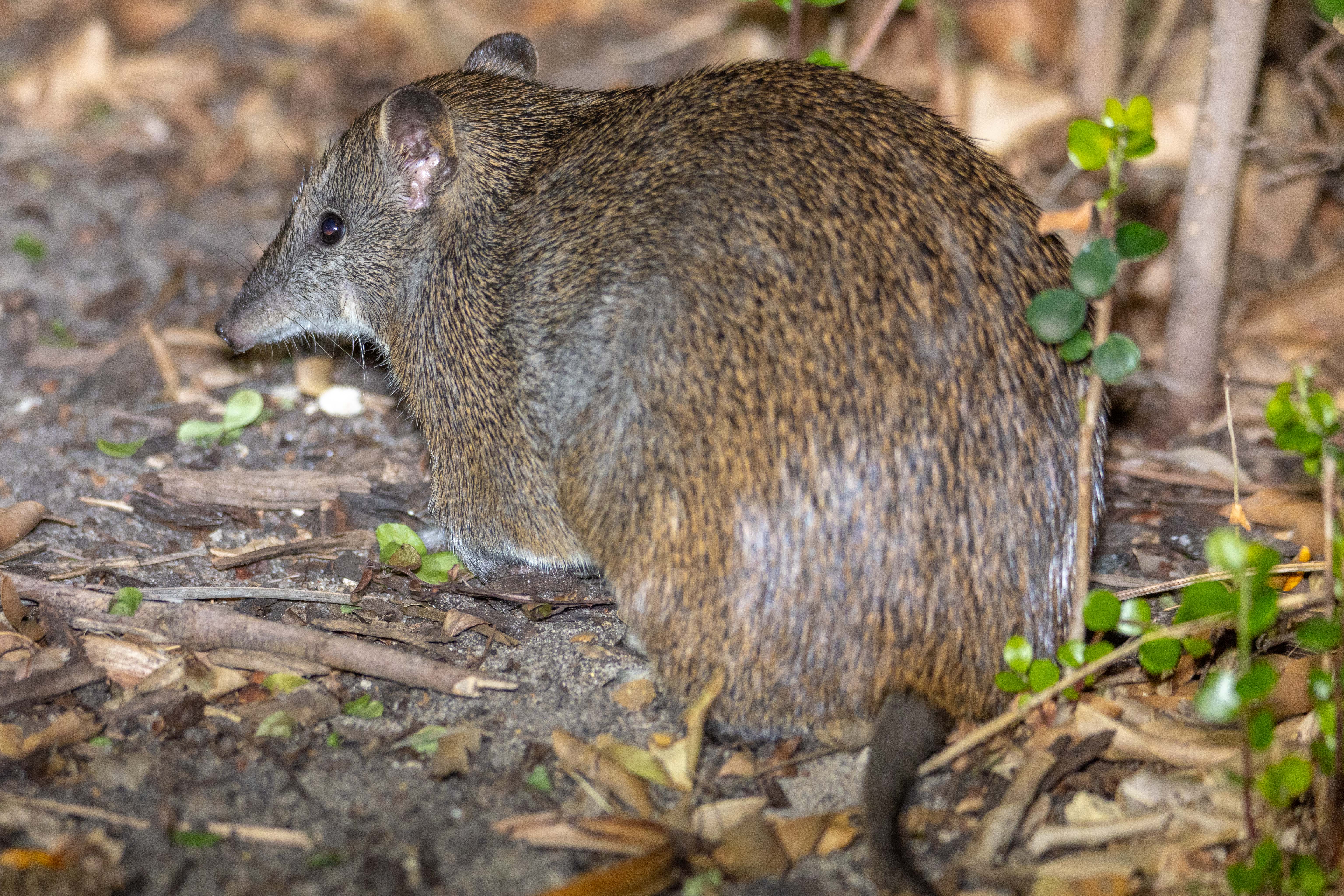
It was feeling like spring weather and we headed to the park planning to walk through the botanical gardens which should be full of flowers this time of year. I also wanted to walk down “Law walk” as I had heard on facebook that someone had seen 12 Quenda (Isoodon fusciventer) during the daytime on a walk recently. It’s surmised that an unauthorised release of Quenda occurred in the park as their genetics indicate they come from the Bibra lake region and the staff both love and detest them – they are digging away, do what bandicoots do, but can’t read the signs to keep out of the immaculately tended botanic gardens full of rare plants!
It was really busy and we found it tough to get a park but immediately felt at peace once we started walking through the gardens.
Once we headed down to Law walk I saw what I think were possibly bandicoot diggings but didn’t see an actual Quenda.


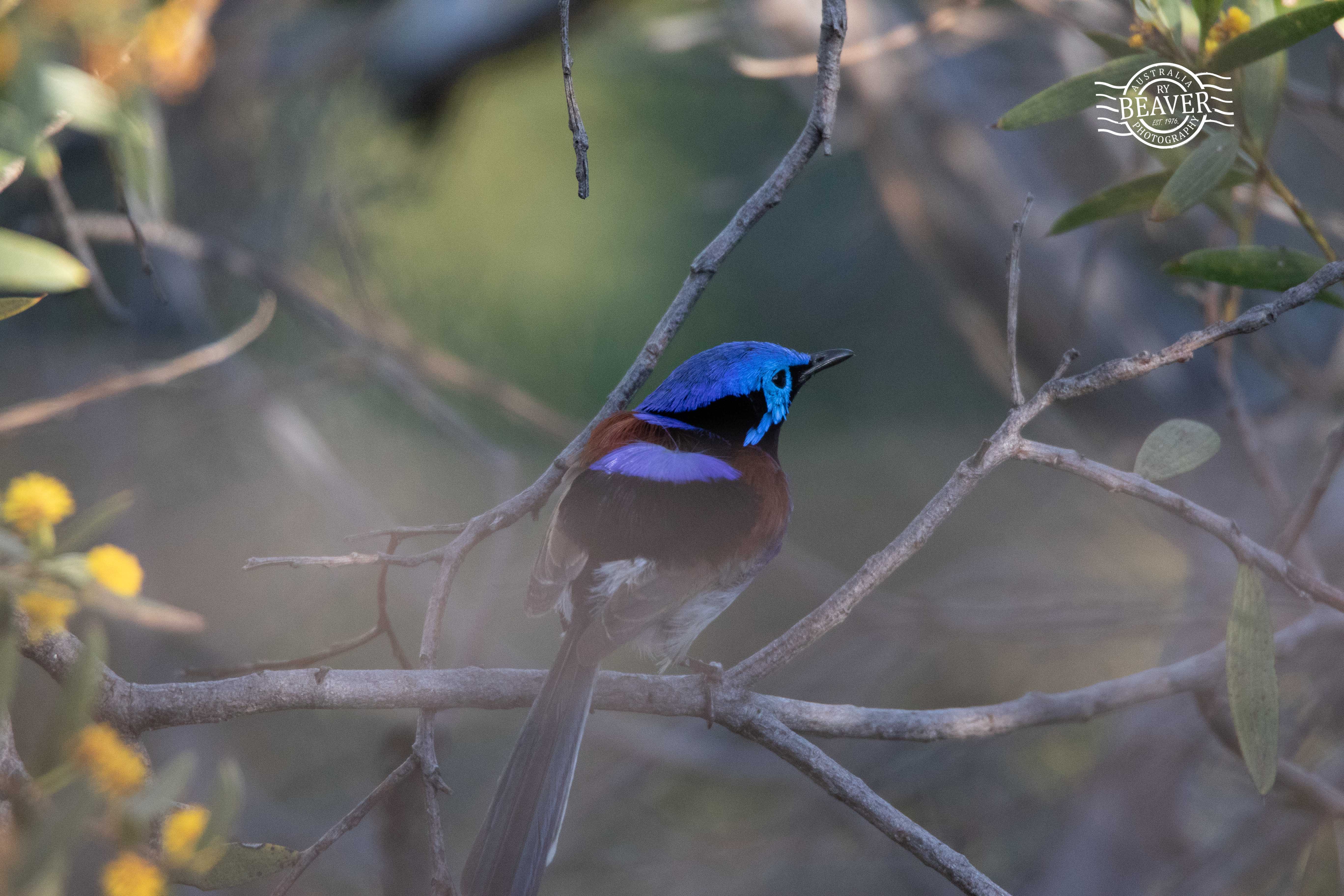
As we headed down the path a little further we saw a bounce of a bird that was unmistakably a Fairy-wren. It settled on the fence and we could see the blue of an eclipse non-dominant male.

We then caught a glimpse of a brilliantly coloured bird with a couple of other drab cross the path in front of us.


It was the dominant male and I had a suspicion it was a Variegated fairy-wren (there are many species in the wider Perth region). I checked with the brains trust (WA Birds fb group) and they confirmed it was this species but also advised it had been recently split from the widely distributed Variegated fairy-wren and now was known as the Purple-backed fairy-wren! (Malurus assimilis). It is also possible to determine which species the female belongs to with this imaginatively titled Birdlife Australia article ‘50 shades of brown!‘ – see a photo of a female below.


We followed the flock and I saw one other new species for me – a Varied sittella (Daphoenositta chrysoptera). Not a great shot but was able to tell the species from underneath.

A lovely walk with great company (wife without kids!) on a beautiful Spring day – the warmer weather is coming!
Kings Park Wildlife FAQ
Are there Quenda in Kings Park?
Yes – Kings Park has a small but established population of Quenda (Isoodon fusciventer). They disappeared from the park before 1981 but reappeared around 2012, almost certainly as an unauthorised release. DNA analysis suggests they are related to the Beeliar Wetland population. Law Walk is the best spot – a stroll there in the early evening is said to almost guarantee a sighting, and the Quenda seem quite unbothered by people. Park staff have a love-hate relationship with them – they’re doing great ecological work turning over soil, but they can’t read the signs asking them to stay out of the immaculately maintained botanical gardens!
When is the best time to see Quenda in Kings Park?
Early evening is ideal. Kings Park Quenda have been observed becoming active earlier than Quenda elsewhere, likely because they’re avoiding foxes that tend to be active later at night. Head to Law Walk around dusk – a torch helps once the light drops. After a fox passes through an area, Quenda can be absent for a few days, so if you don’t see any it’s worth trying again another evening.
What birds can you see in Kings Park?
Over 90 species have been recorded in the park. Purple-backed fairy-wrens (Malurus assimilis) are a highlight along the bushland paths – the dominant males are brilliantly coloured in blue and purple. Varied sittellas are also present. Red-tailed Black Cockatoos have been recorded as possible nesters. The mix of botanical gardens and native bush draws a wide variety, and spring is particularly good when the wildflowers are out.
What other wildlife can you see in Kings Park?
Beyond birds and Quenda, Kings Park supports four species of microbat, Brushtail possums, and a surprisingly rich reptile fauna – 27 species have been recorded including Dugites, Gould’s monitors (Varanus gouldii), Bearded Dragons and various skinks. The only amphibian recorded in the park’s bushland is the Turtle Frog (Myobatrachus gouldii), which spends most of its life underground and emerges after summer rain.
Where do I park for Kings Park?
Kings Park has multiple entry points and car parks off Kings Park Road and Fraser Avenue. It can get busy on weekends and during wildflower season, so arriving early or coming in the evening (which also suits wildlife watching) helps. The park is free to enter. For Law Walk specifically, parking near the Fraser Avenue end puts you closest to the bushland trails.
Further Reading
If you enjoyed this post, you might also like:
- Quenda – everything you need to know about WA’s Southern Brown Bandicoot
- Quenda at Victoria Gardens – urban bandicoots right in the heart of Perth
- Where to See Wildlife in Western Australia – the full location index
You can also follow along on Facebook and Instagram for more regular updates between posts.


Leave a Reply