
Over Christmas we had a holiday with extended family plus friends and headed to Busselton for a camping holiday. It was the first time camping for my 2 year old daughter and both kids were excited to have cousins and friends with us. We were staying in the Siesta Park region.
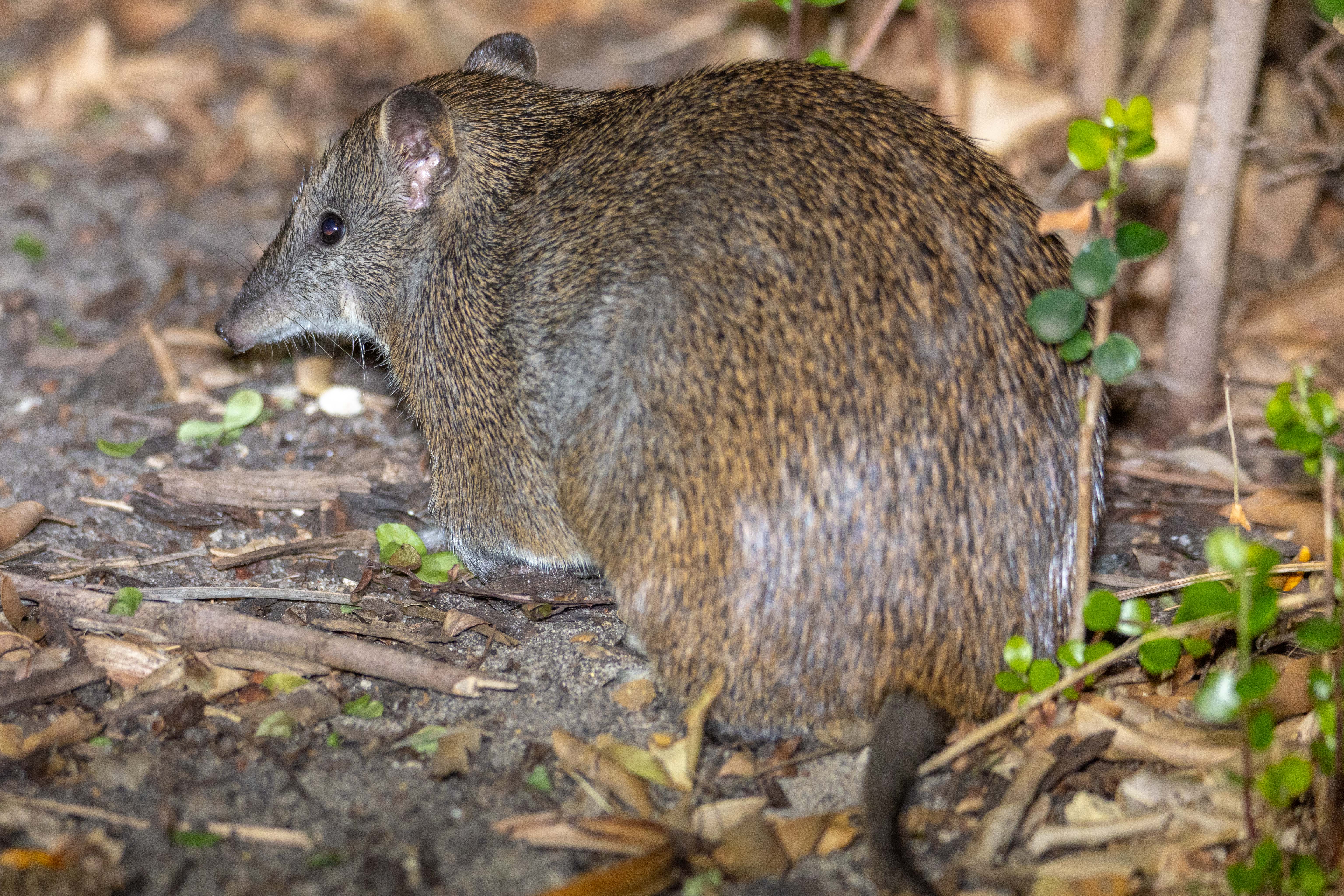
From a wildlife perspective the camp caretaker told me he often sees Quenda (Isoodon fusciventer) in the sand dunes – especially crossing the track. This was new to me as I haven’t heard of them being in this area before. Unfortunately I didn’t see them during my stay.
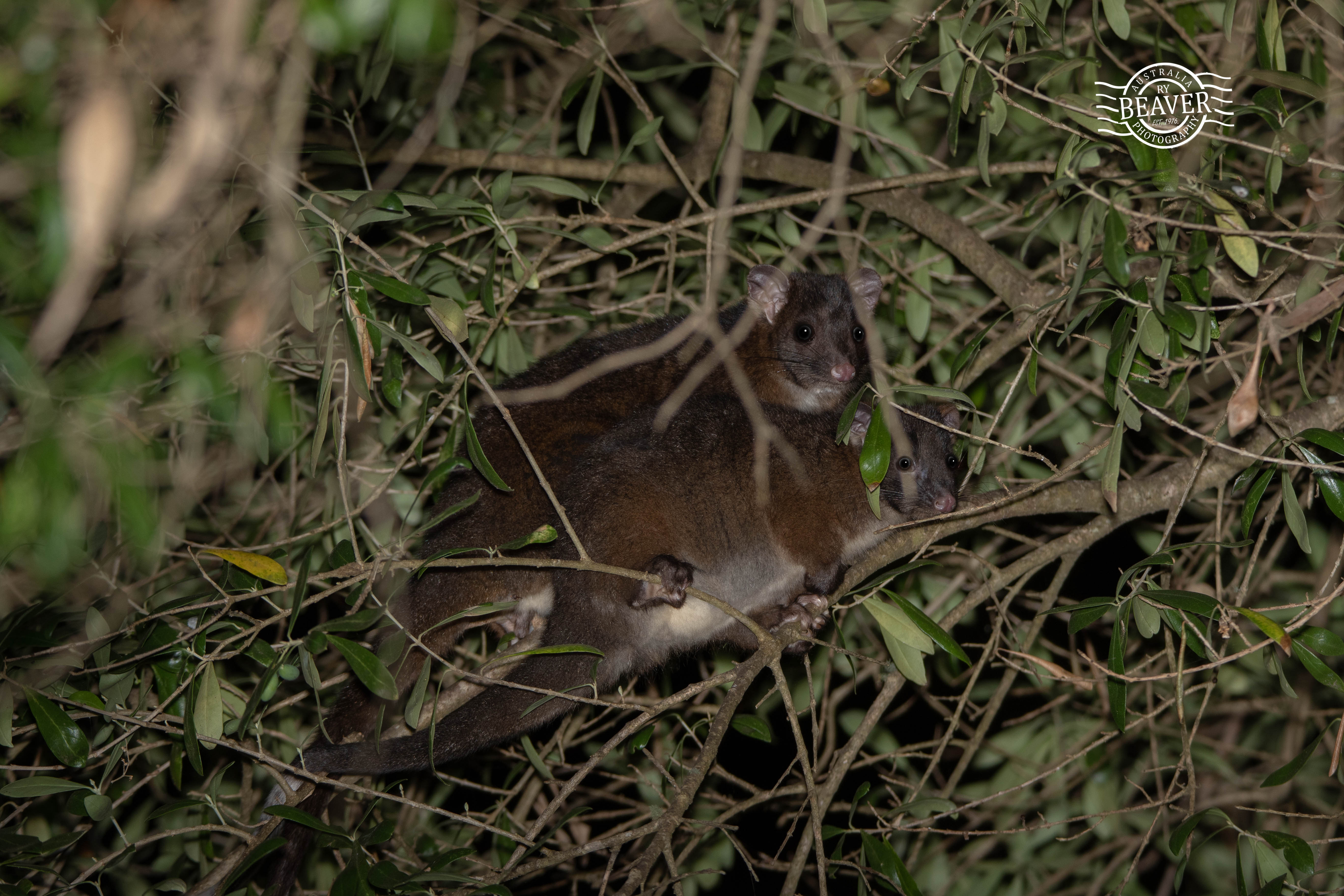
Our first night, once getting the kids to bed, we heard a rustling in the trees as we were relaxing and having a chat. We shone a light and saw our first Western ringtail possum (Pseudocheirus occidentalis). This turned out to be a nightly occurrence as we were in pretty good Peppermint tree habitat.
The Western ringtail possum are now critically endangered through a combination of habitat loss, predation by cats & foxes and car strike as they have to travel on the ground & cross roads due to loss of trees. While I don’t distrust the science, it is hard to get into your head that something you see somewhat easily in the right habitat, is actually struggling for survival. This species unfortunately makes 11th place onto the top 20 Australian mammal species likely to go extinct with a 25% chance of losing them forever.

Another night a few of the blokes went to the Possum spotlighting trail leaving the kids asleep. It’s a 1.5 km walk set up especially for night time with reflective trail markers. I have blogged on this trail before.
We saw 30 odd ringtails, 15 Common brushtail possums (Trichosurus vulpecula), 5 or so Western Grey Kangaroos (Macropus fuliginosus) but no rarer species that have been seen here such as Bush rat or Brush-tail phascogale.


I used my Echo Meter Touch 2 bat detector but no bats were heard. I did however find this Moaning frog (Heleioporus eyrei) – picking it up with reflective eye shine.

We also spent time snorkeling along the beach near the campsite and had some fun with an underwater camera. Look at the top left picture – can you see the flounder? The same fish is in the image below while moving.


One of the last evenings we kept the kids up and took them spotlighting just as it got dark – all were excited especially my 2 year old Sienna who had never been before but heard stories from her big brother! There were 7 kids from our group but we collected a fair few other kids from around the campsite. We saw about 8 possums all up and the kids had a great time & learnt about wildlife!


All in all a lovely holiday with plenty of possums seen 🙂
Busselton Wildlife FAQ
Are Western ringtail possums endangered?
Yes – the Western ringtail possum (Pseudocheirus occidentalis) is listed as critically endangered under Australian federal law. The species has declined dramatically due to a combination of habitat loss (particularly the clearing of Peppermint trees, their preferred food source), predation by cats and foxes, and car strike as animals are forced to cross roads when tree cover is fragmented. The Busselton area and southwest WA more broadly remain strongholds for the species.
Where can you see Western ringtail possums near Busselton?
The Possum spotlighting trail in Tuart Forest National Park is the most reliable spot, with 30 or more ringtails possible on a good evening. The 1.5km trail is set up specifically for night walking with reflective markers. Ringtails are also regularly seen in any area with mature Peppermint trees – campgrounds and residential gardens in Busselton and Dunsborough included.
What is the Possum spotlighting trail at Busselton?
The Possum spotlighting trail is a 1.5km self-guided night walk in Tuart Forest National Park, set up specifically for wildlife watching after dark. Reflective trail markers guide you through Peppermint and Tuart tree habitat where Western ringtail possums are abundant. Common brushtail possums and Western Grey Kangaroos are also regularly seen. Entry is free. A torch is all you need – red light is gentler on the animals if you have one.
What other wildlife can you see in the Busselton area?
Beyond possums, the Busselton area has Quenda (Southern Brown Bandicoot) in coastal dune habitat, Common brushtail possums, Western Grey Kangaroos, and a good variety of frogs including the Moaning frog. Bats are active after dark though species diversity varies. The coast offers snorkelling with flatfish and other marine life, and the Busselton Jetty is worth a visit for marine wildlife.
When is the best time to go spotlighting near Busselton?
Any time of year works, with ringtails active year-round. Head out shortly after dark – they become active as soon as the light drops. Cooler months can be slightly better as animals are more active earlier in the evening. The Possum spotlighting trail is most enjoyable when it’s not too hot, so autumn through spring is ideal.

Like this photo? Possum prints are available
Brushtail and ringtail possum shots are available to order as prints – paper, canvas, metal, acrylic or framed, shipped anywhere in the world. Prints from US $2.
Further Reading
- Possums in Perth – a guide to the species you might find in your backyard
- On a possum hunt with my son – an earlier visit to the Busselton spotlighting trail
- Quenda – everything you need to know about WA’s Southern Brown Bandicoot
- Where to See Wildlife in Western Australia – the full location index
You can also follow along on Facebook and Instagram for more regular updates between posts.


Leave a Reply