
Dryandra Woodland National Park is one of my favourite places to see wildlife and is only 2 hours from Perth. It is one of the largest remnant areas of vegetation in the wheatbelt covering 18,000 ha, comprising of many blocks with some farmland protruding as can be seen in the map below. It is a haven for many species of flora and fauna but perhaps most famously the ant eating marsupial Numbat – WA faunal emblem.
We had planned ahead and booked a winter weekend stay in one of the lovely heritage cottages at Lions Dryandra Woodland Village. It’s a great option to stay within the woodland especially if you don’t want to camp with the chance of bad weather during winter. They have options for couples, families, right up to large groups in dorm style accommodation. We were sharing with another family of 4 and we have a great time when we get together. I recommend planning ahead as they book up early – call them, they are so helpful. They also share last minute cancellations on their facebook page – so you can get lucky. Prices are reasonable and I recommend getting at least 1 bag of wood from the caretakers as the fire is a necessity when coming back from night time spotlighting!
I was looking forward to using my new camera after recently upgrading to a Canon R5 Mark ii after more than 10 years with my trusting 7D Mark ii. I have gone mirrorless after 3 DSLRs! It’s taking some getting used to, but huge potential with a greatly upgraded auto-focus system, animal tracking and much higher resolution.
We took the kids out of school a little early to ensure we got there before dark. Once we turned off the main road into the national park we slowed right down as wildlife can be seen throughout. Just as we turned into the village we saw an Echidna (Tachyglossus aculeatus) feeding on the side of the road.

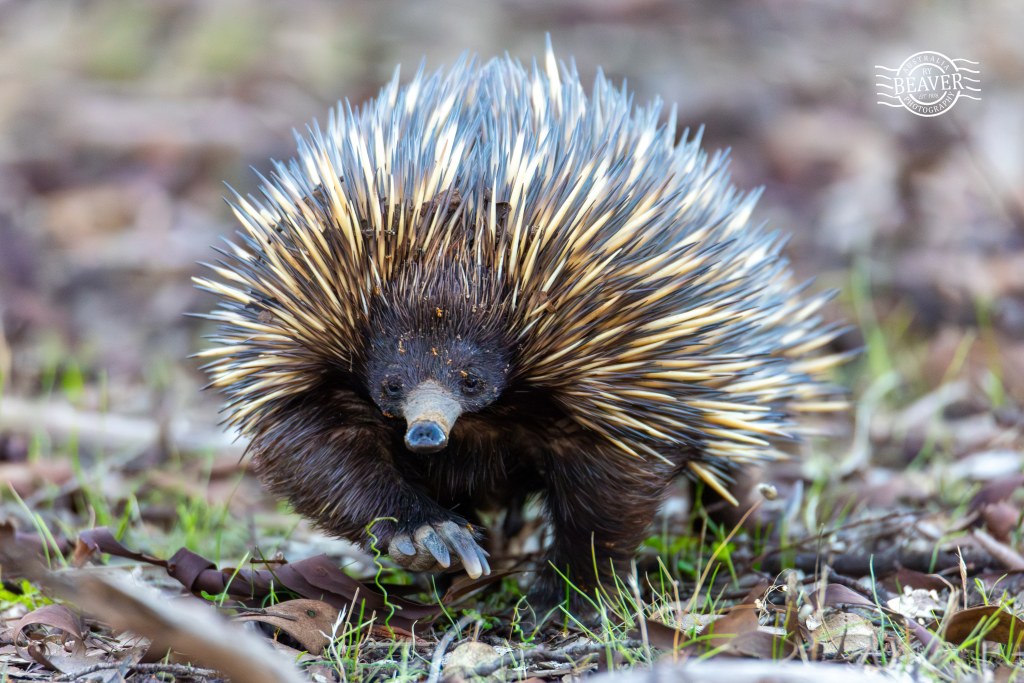
I quickly hopped out of the car and the Echidna just kept feeding. I sat down with my camera and enjoyed watching it so much. It headed straight for me and I was so pleased with these images as I was able to be at eye level. You can see the powerful digging claws and in the third image the backwards facing rear feet.


My wife took this image which shows just how close I got with the animal choosing to approach me. I think sitting still allowed the animal to choose where it wanted to go and it didnt consider me as a threat. Echidna when threatened can move very quickly but also will dig into the ground just showing their spines for protection.

We then left it still feeding, privileged we had only just arrived and had an amazing animal encounter.
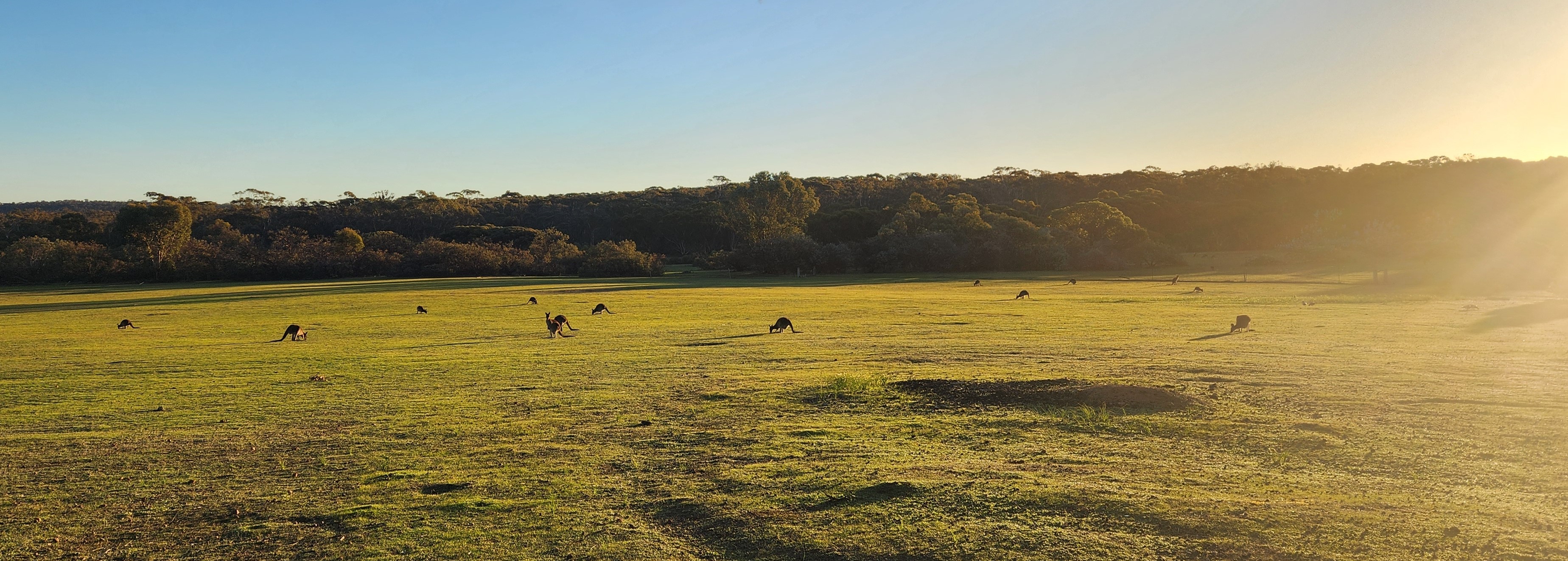
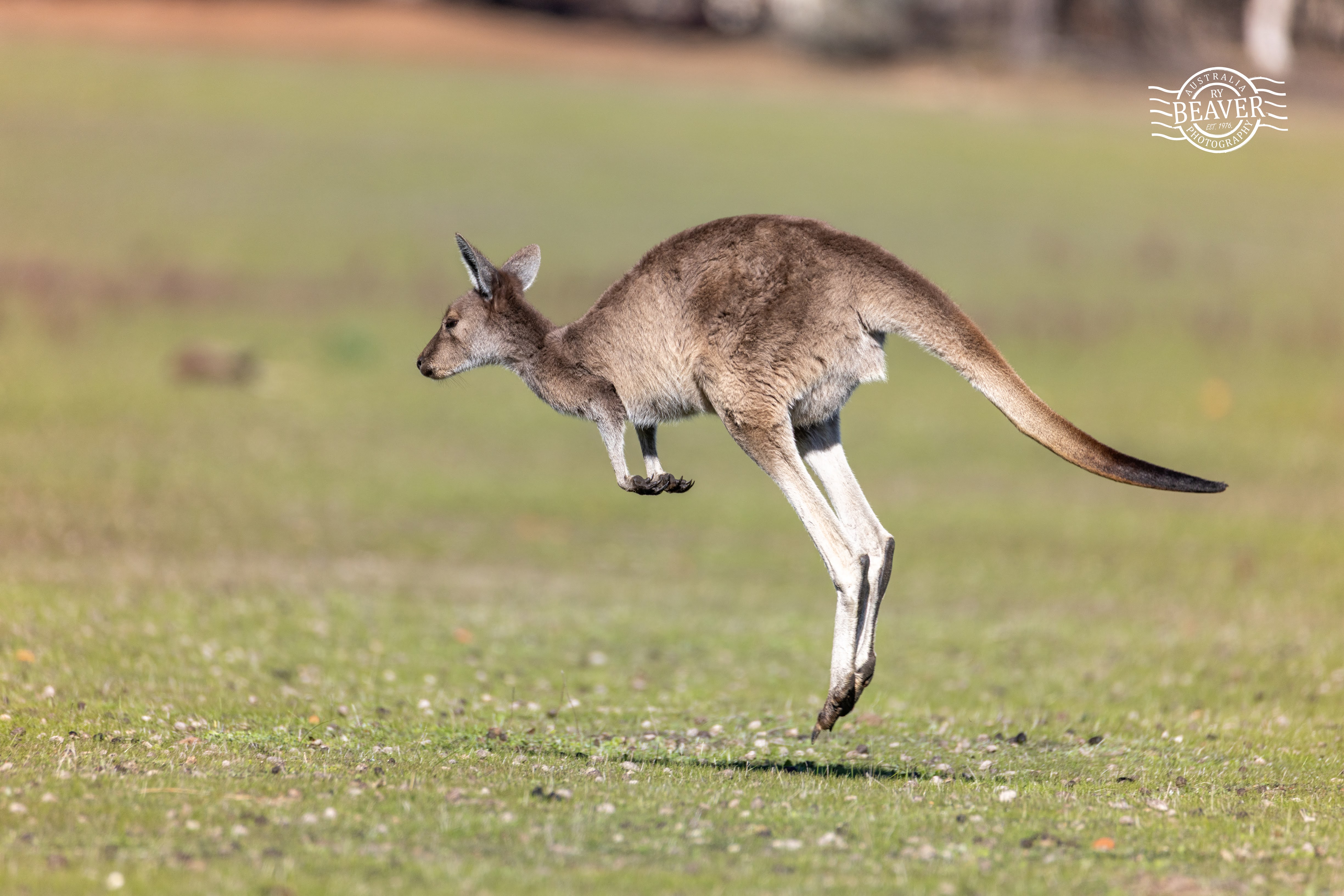
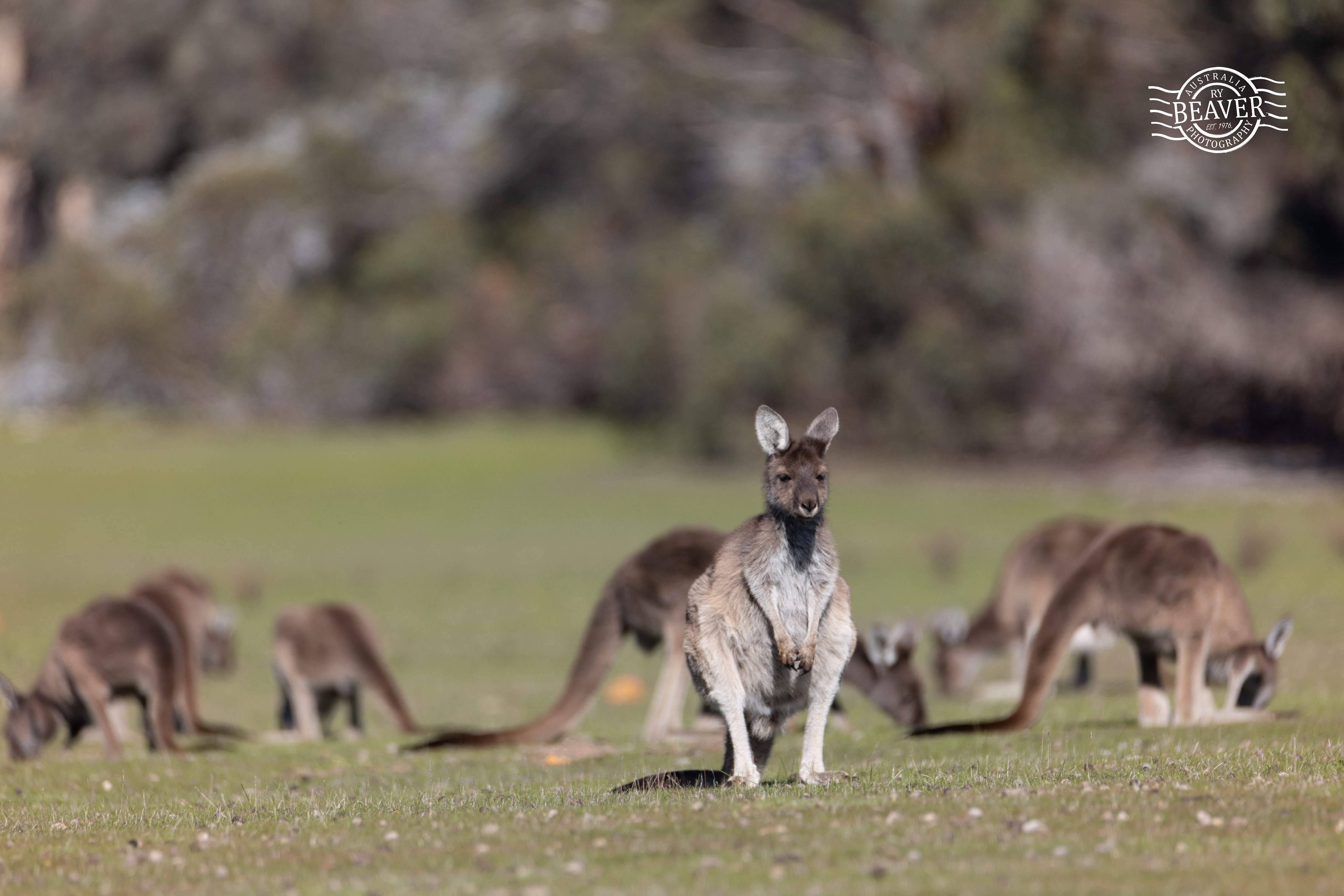
We checked in and headed to our cottage which had a verandah over the oval, which was filled with Western grey kangaroos (Macropus fuliginosus) feeding on the grass.
Our friends joined us and we enjoyed getting the fire going in the lounge. Sunset drinks on the verandah were lovely, watching the feeding roos.
As evening fell there were a few possums hanging around near the cottage.

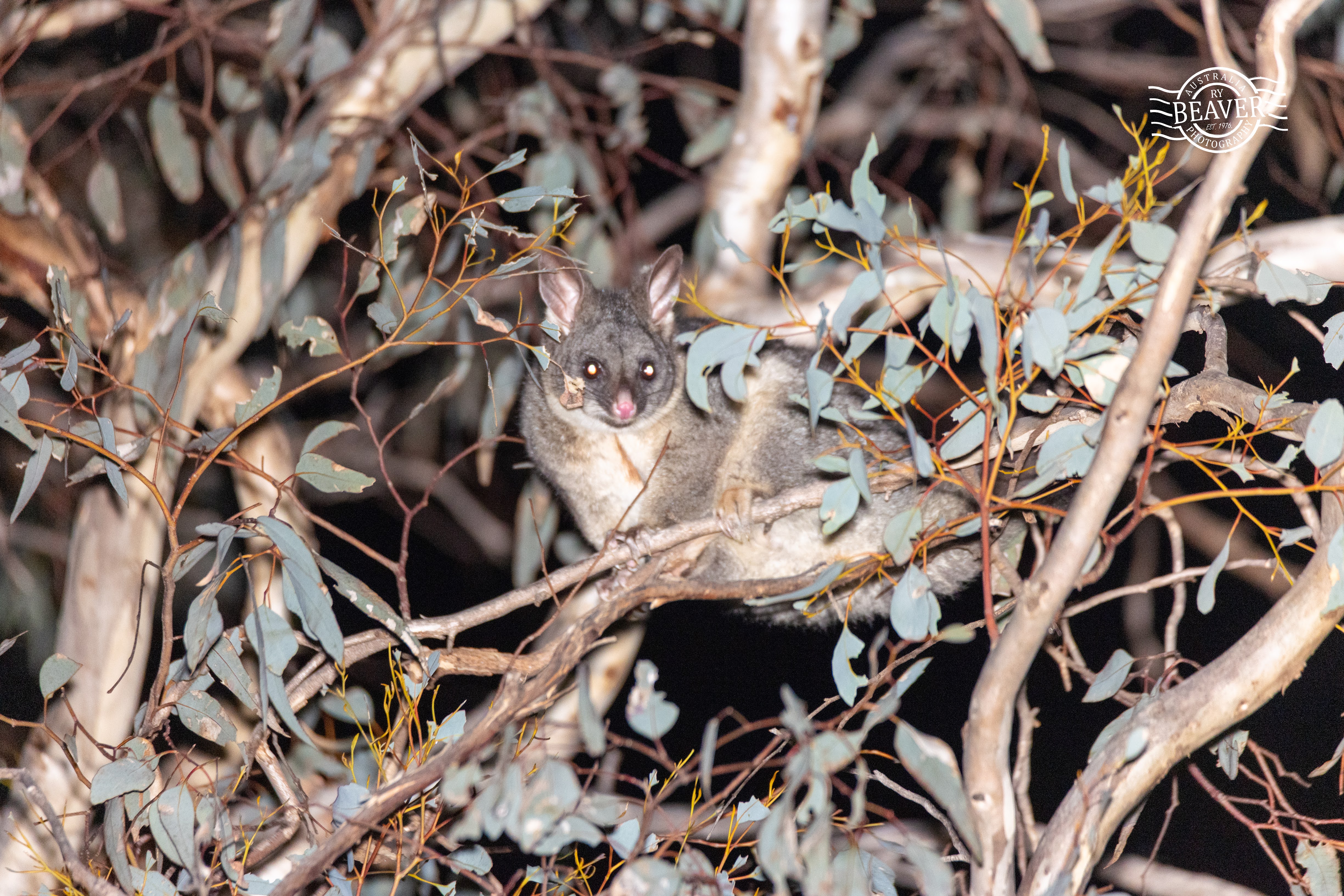
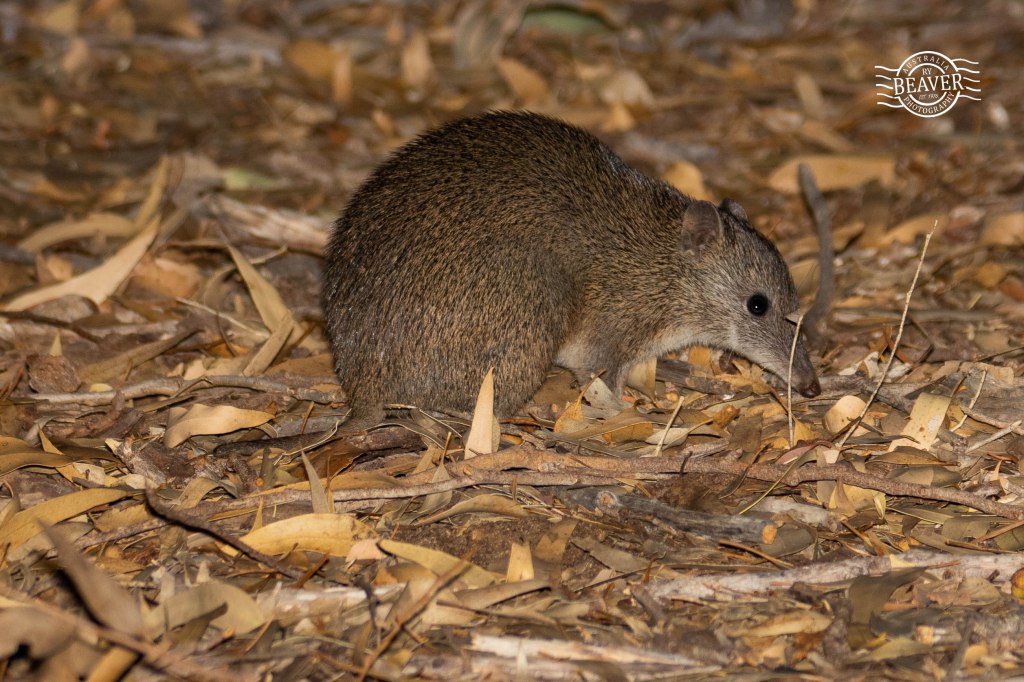
That night we went for a spotlight leaving 3 of the 4 kids behind, just taking the eldest from the other family. I was hoping for a Red-tailed phascogale from a spot I have been before (see here) – the old sandalwood plantation on Gura Rd. We headed there with the thermal camera but it was a cold, still night. The only mammals seen was a Brush-tailed possum and the occasional roo – no phascogale or Woylies unfortunately.

The next morning I went for a run with my fellow Dad. I had been following a “get into running” program and on this day, after a warm up walk, I needed to do 5 sets of 4 minutes jogging with 2 minutes walking. Woylie Walk was amazing in the crisp morning – much nicer than my usual local suburban oval.

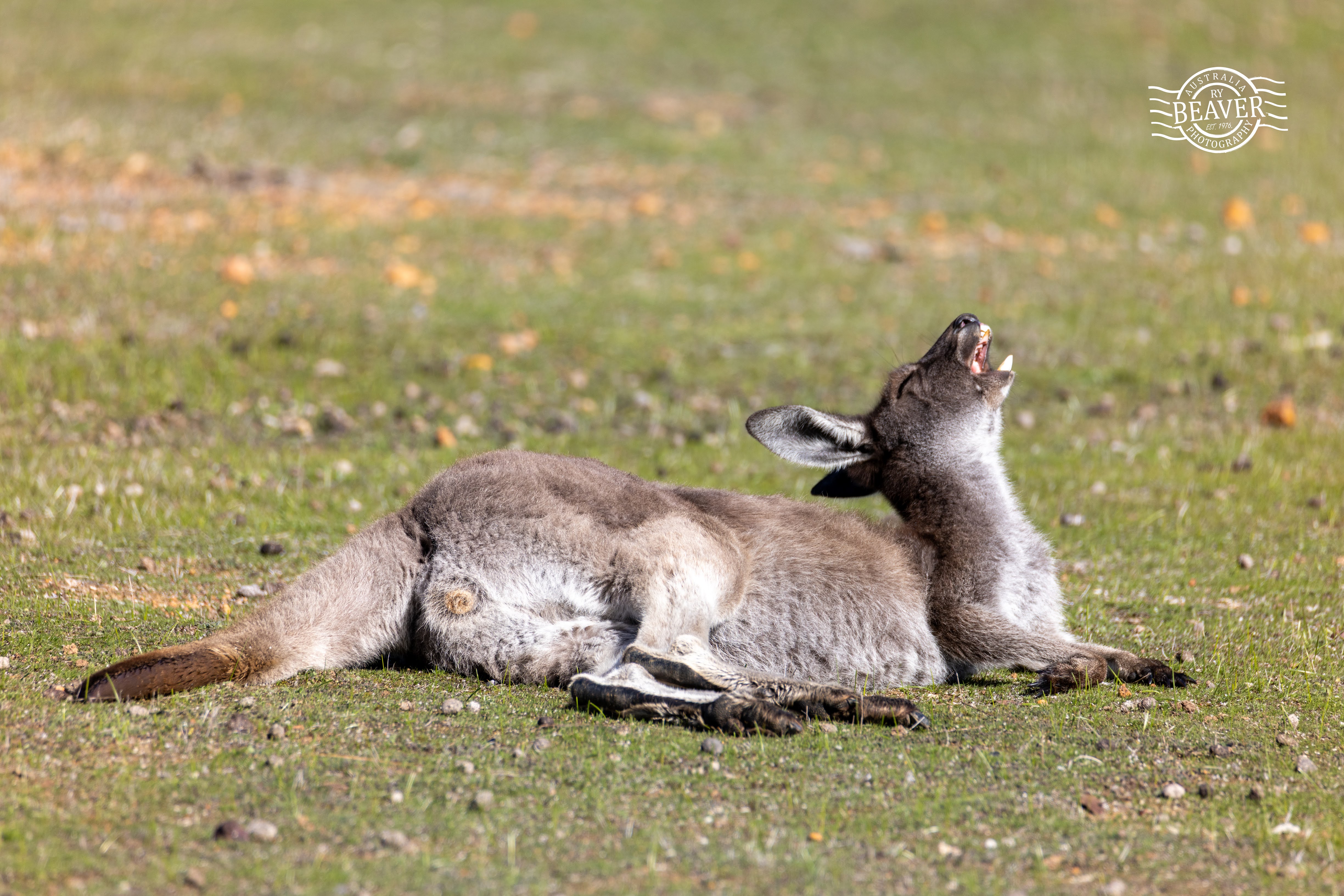
The morning sun was lovely after a crisp night and the kangaroos on the oval were lapping it up.
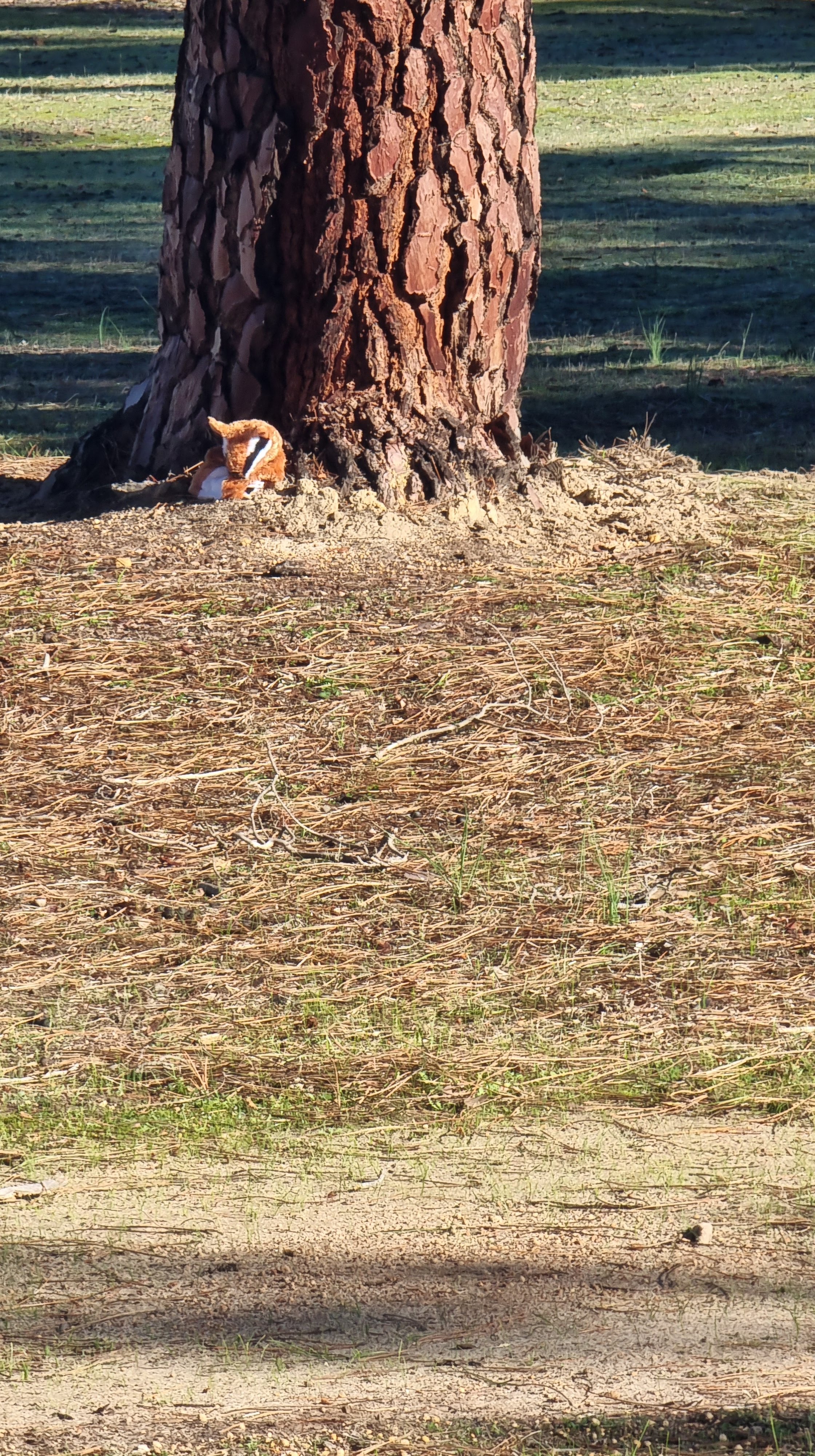
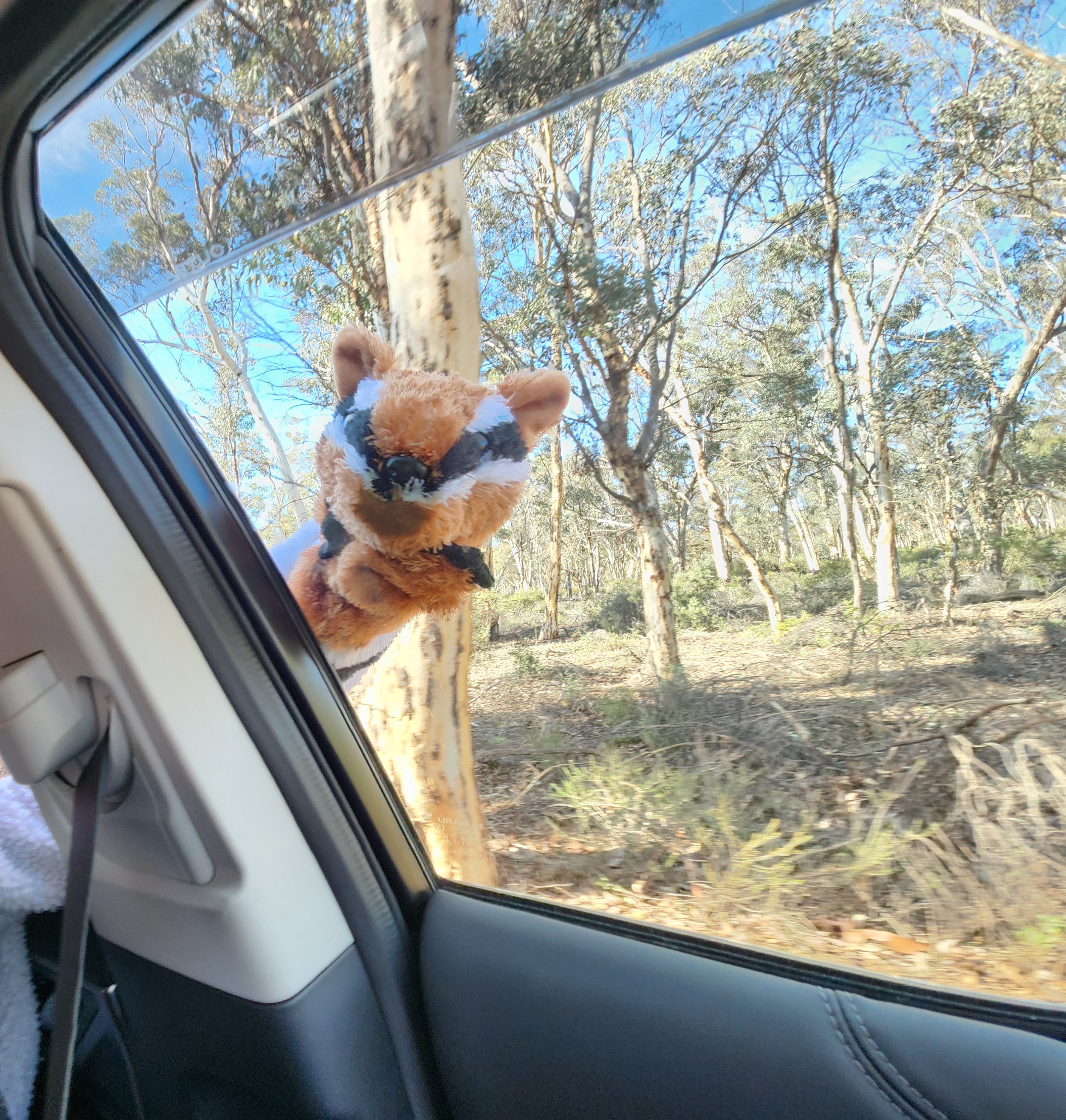
My daughter brought out her secret numbat finding weapon and put it out to attract animals. It’s a numbat puppet and she uses it while driving to lure numbats in 🙂
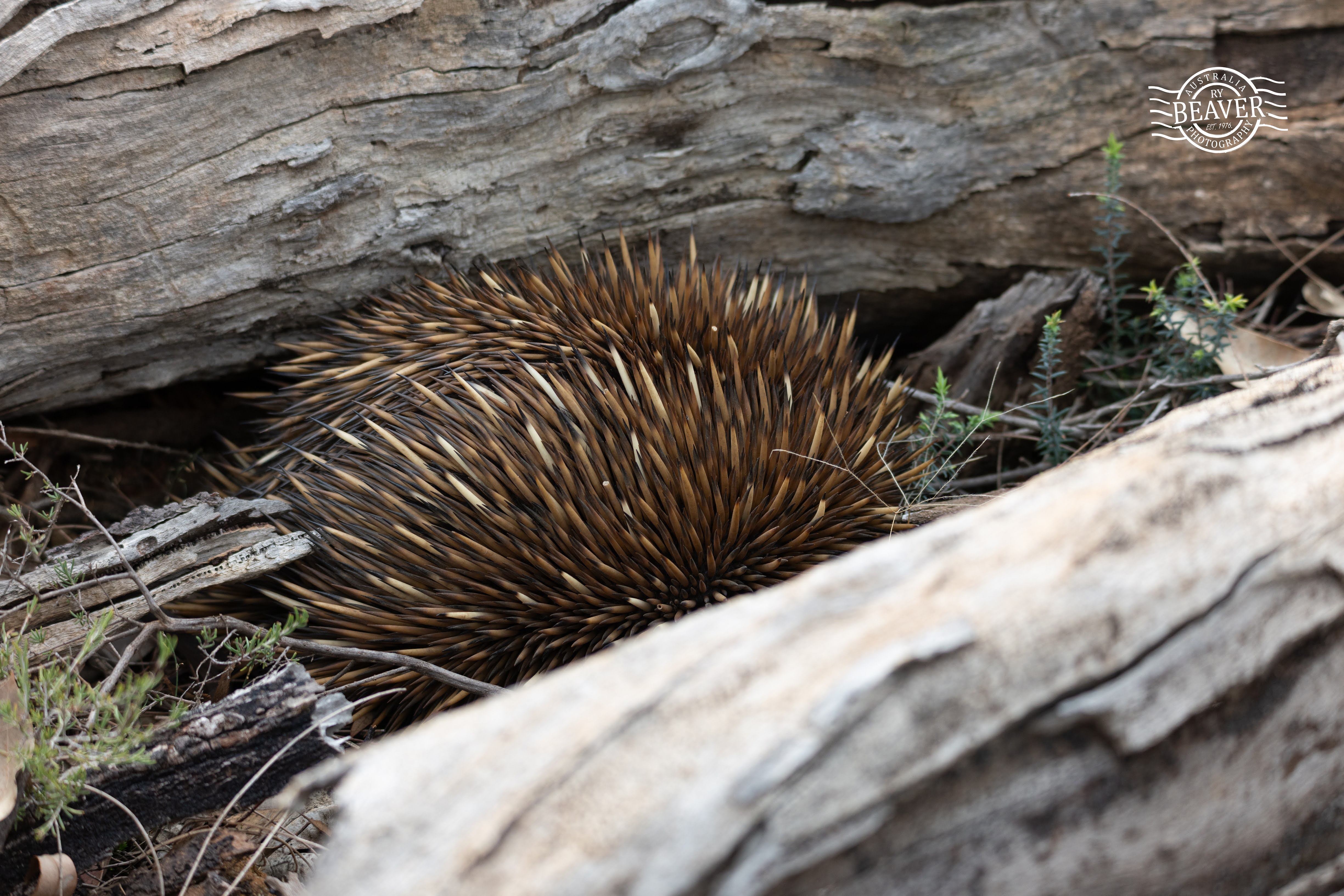
We then headed out for the day looking for critters – with numbat lure activated. Not far out of the village we came across another Echidna. The sunlight through the spines produced amazing colours.

We drove slowly on the tracks going only 10-15 kmh in many of the likely spots… but no numbats today.

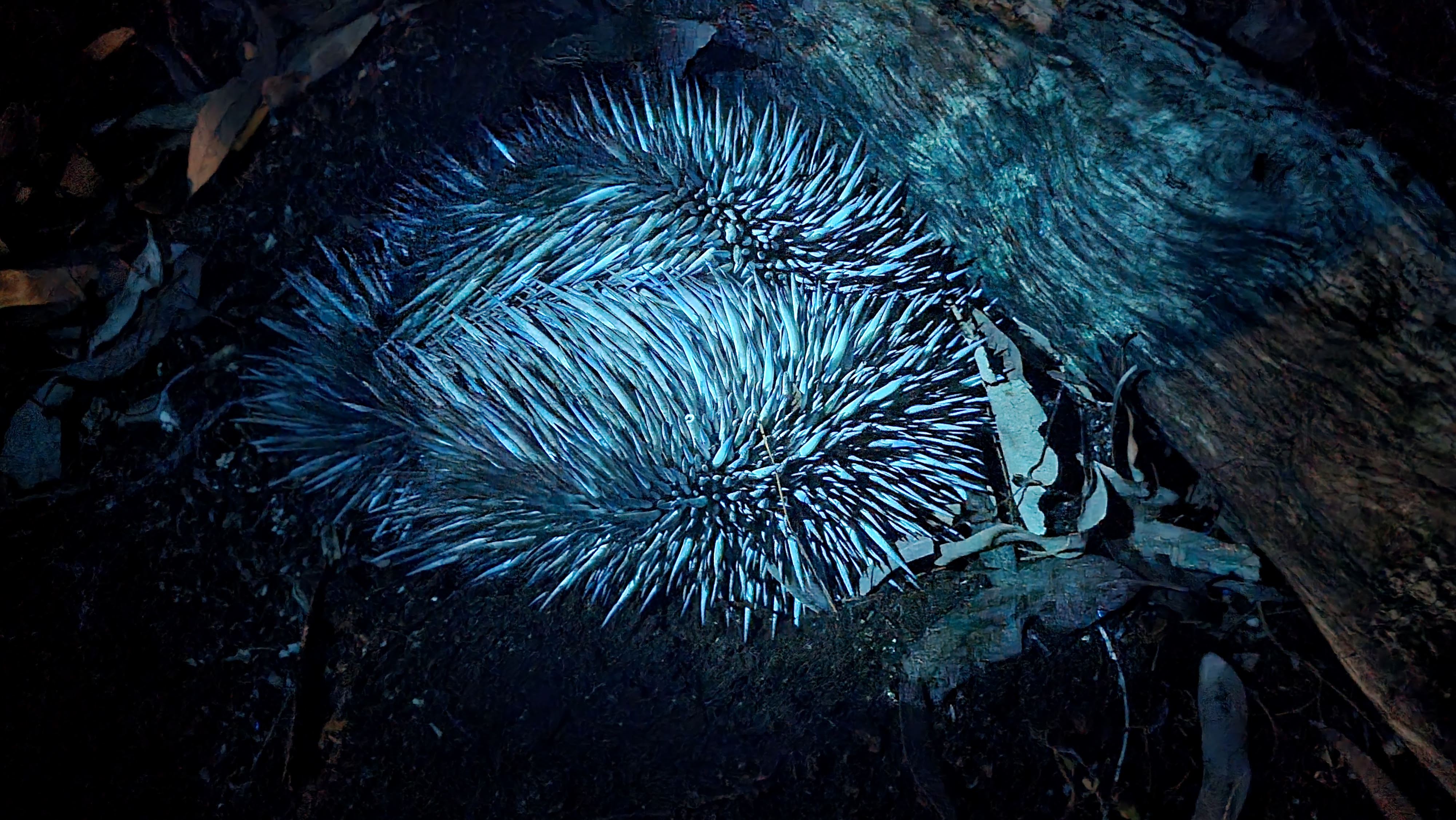
We returned to our cottage for wine and dinner. Tonight we planned to take the kids out spotlighting into the woodland just across from the cottage. As we were getting ready outside my daughter spotted another Echidna. It burrowed in against a log and we put the UV torch on it and could see the spines fluorescing.
We then came across a Brush-tailed possum. We didn’t find anything else on another cold, clear evening.
I did setup my bat detector (image below) on the first day and later in the post I will summarise the recordings. The detector is made by Wildlife Acoustics and is a Song Meter Mini Bat model. It is a passive detector with an ultrasonic microphone to pick up bat acoustics. Passive meaning you program it to your requirements and leave it to record – essentially ultrasonic bat calls from 30 mins before dusk and 30 mins after dawn when bats are active.

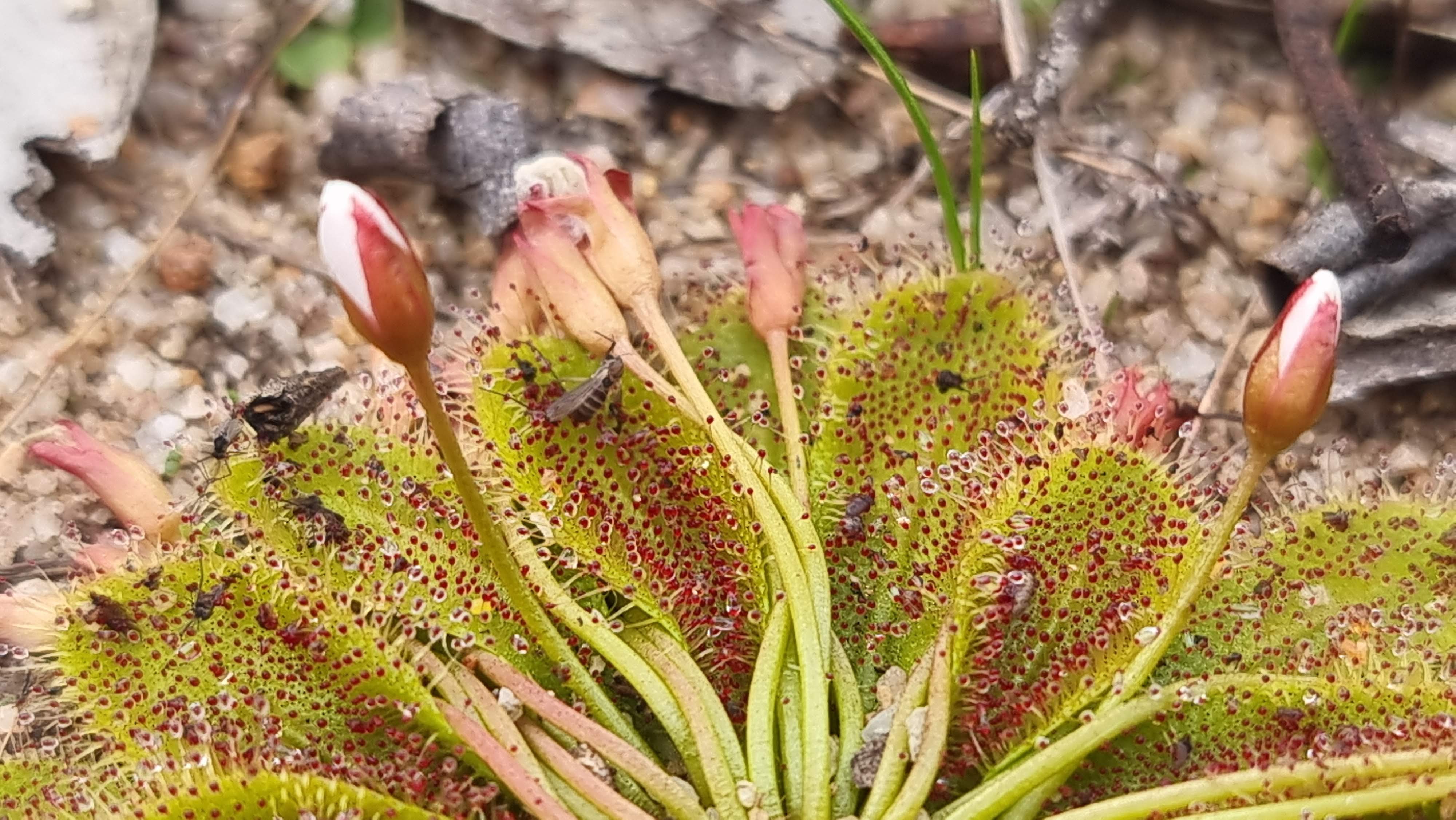
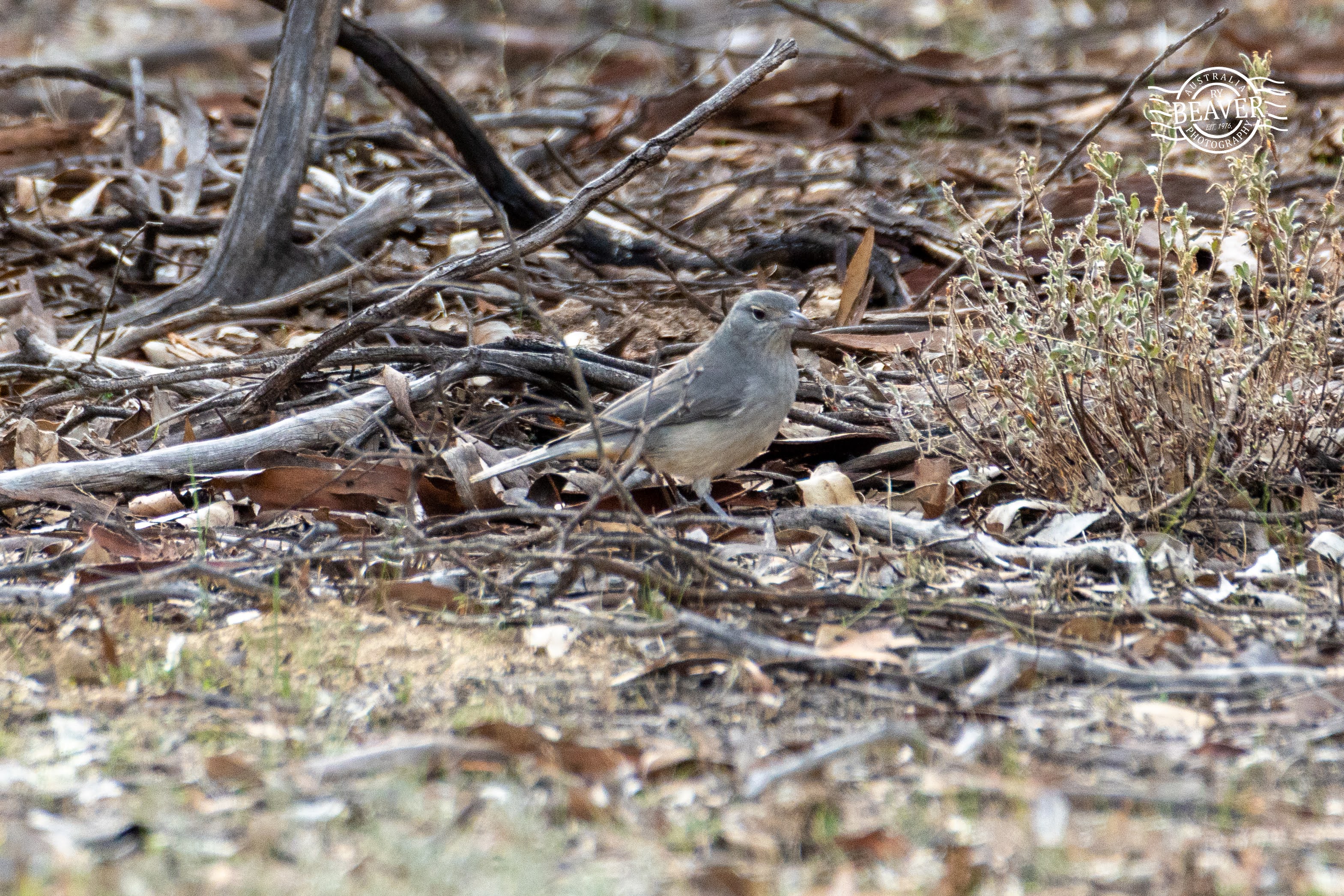
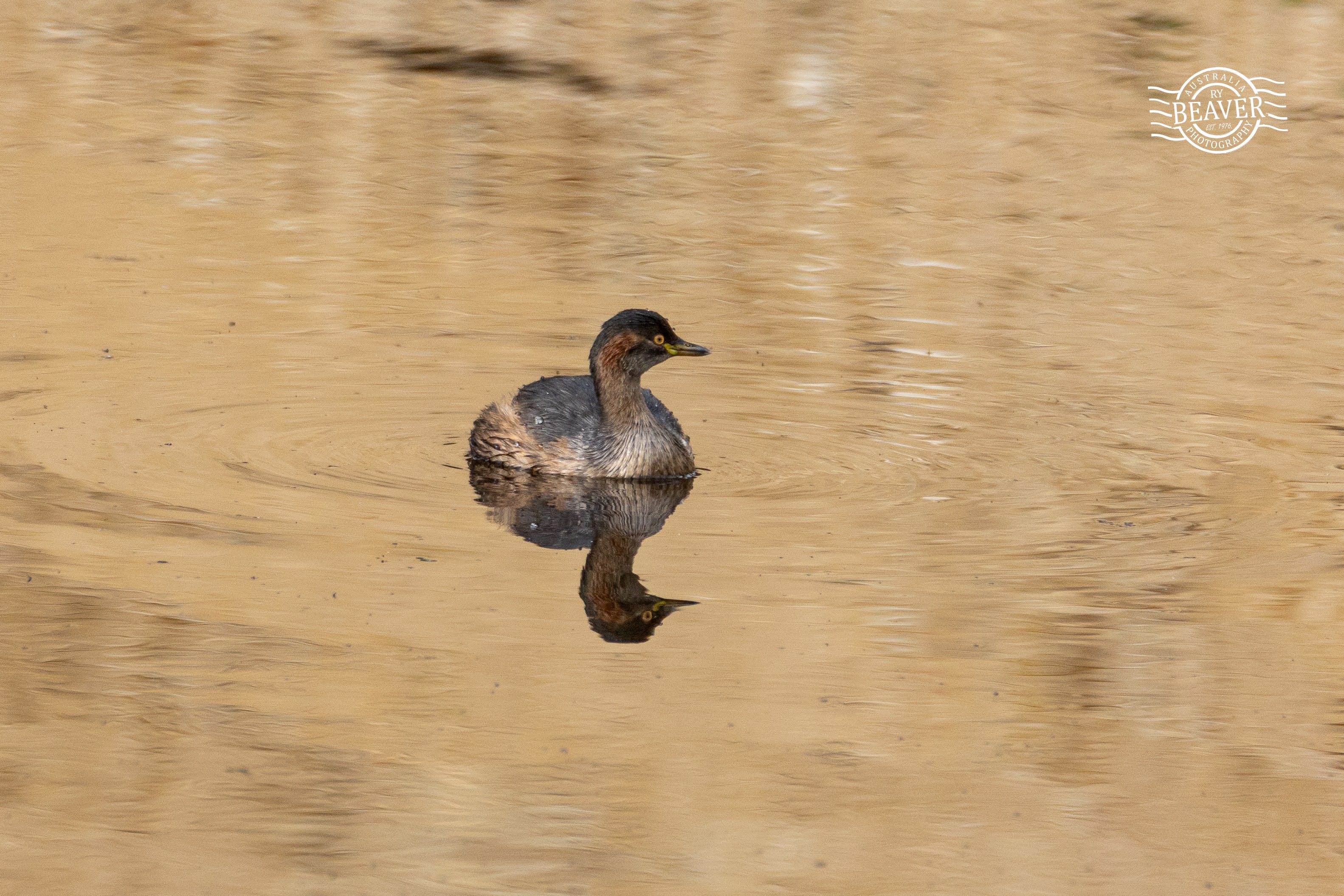
The next day we had brekky, packed up and checked out with a plan to look for critters and then have a picnic lunch at the old mill dam. Not much seen other than birds but had a lovely walk at the dam after lunch. The path through the woodland is lovely. We saw a few birds and a nice Drosera (carnivorous sundew plant) in the middle of the path.
Below is an interesting photo of interpretive signage at the dam and the impact that Vincent Serventy is ensuring that Dryandra is the place it is today as it was under threat of mining.

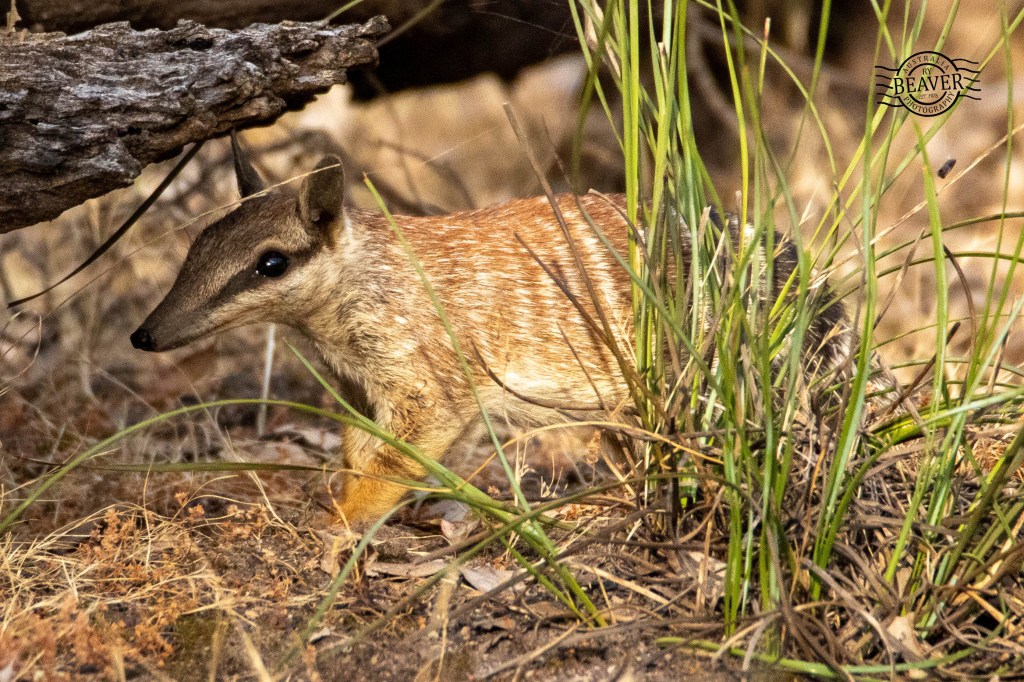
We headed for home at a slow space still ever hopeful for a numbat. I spotted a car parked up ahead and we drove slowly to see what they had spotted. They had a Numbat (Myrmecobius fasciatus) close to the side of the road. It was so exciting to see – I just managed to grab the below image before it dashed off into the bush!

We then decided we needed to get home and came across a last echidna just before leaving. We had seen 4 this weekend which we were very pleased with.
We had a great weekend, with all confirming we needed to do it again in a few months when it’s a little warmer (but not too warm).
I do have to add a post providing more information on my learnings on bat acoustics, but the table below has the recordings for 2 evenings in June over the Dryandra Woodland Village oval. I had 93 recordings where 18 were non-bat noise.
| Bat Species | Number of Calls |
| Goold’s wattled bat | 50 |
| Long-eared bat spp. | 6 |
| South-western free-tailed bat | 12 |
| Southern forest bat | 2 |
| Bat but not sure spp. | 5 |
| Total Calls | 75 |
Gould’s wattled were the most common, which is expected as one of Australia’s most common bats. It was nice to have some recordings of Long-eared bats as they are quieter and harder to record. Interestingly no recordings of White-striped free-tailed bats which are also common.
 Wildlife Watching in Australia
Leave a comment