

For the winter school holidays we took a family trip to Rottnest for a week. It’s a great place to stay – very relaxing with tourists getting about on foot, bikes or the bus – there are only service cars on the island. We stayed in a heritage cottage in Thompsons Bay built around 1840!
Rottnest is a small island about 20kms off Fremantle and is about 7kms long. Its name comes from Dutch explorers who named it Eyland’t Rottenest (“Rats’ Nest Island”) after mistaking the marsupial Quokka (Setonix brachyurus) for a large rat in 1696! Its Noongar name is Wadjemup. The island has a mixed history – it was used as an Aboriginal prison for a significant period and is now a tourist haven and important wildlife sanctuary.


The kids loved the Quokkas which are everywhere and very tame in the main tourist areas. My almost 2 year old daughter Sienna grasped straight away that they like green leaves and we had to help her find leaves for the whole week. Rottnest is the stronghold of the Quokka population – it’s not well known that there are isolated populations throughout the southwest of WA.
In researching the animals that could be found on Rottnest I found there is a colony of New Zealand Fur Seal (Arctocephalus forsteri) on Cathedral Rocks on the western end of the island, with a newly constructed boardwalk. I have previously seen Australian Sea Lions (Neophoca cinerea) but the fur seal was a new species for me. My 4 year old son Liam, my wife Mel and I chose a clear day and headed out on the bus that loops round the island. It was a 30 minute bus ride out and was cold and windy on this exposed part of the island.
I took this pano of the rocks. You can’t make it out in the picture but seals could be seen hauled out on the rocks and also frolicking in the water. To see them better you need binoculars or a telephoto camera.

Seals hauled out on the rocks.


Seals in the water.


You can see how many seals are on the rocks if you look carefully.


We then headed to West End where we saw a soaring Osprey and a huge built-up nest on a rock just offshore.


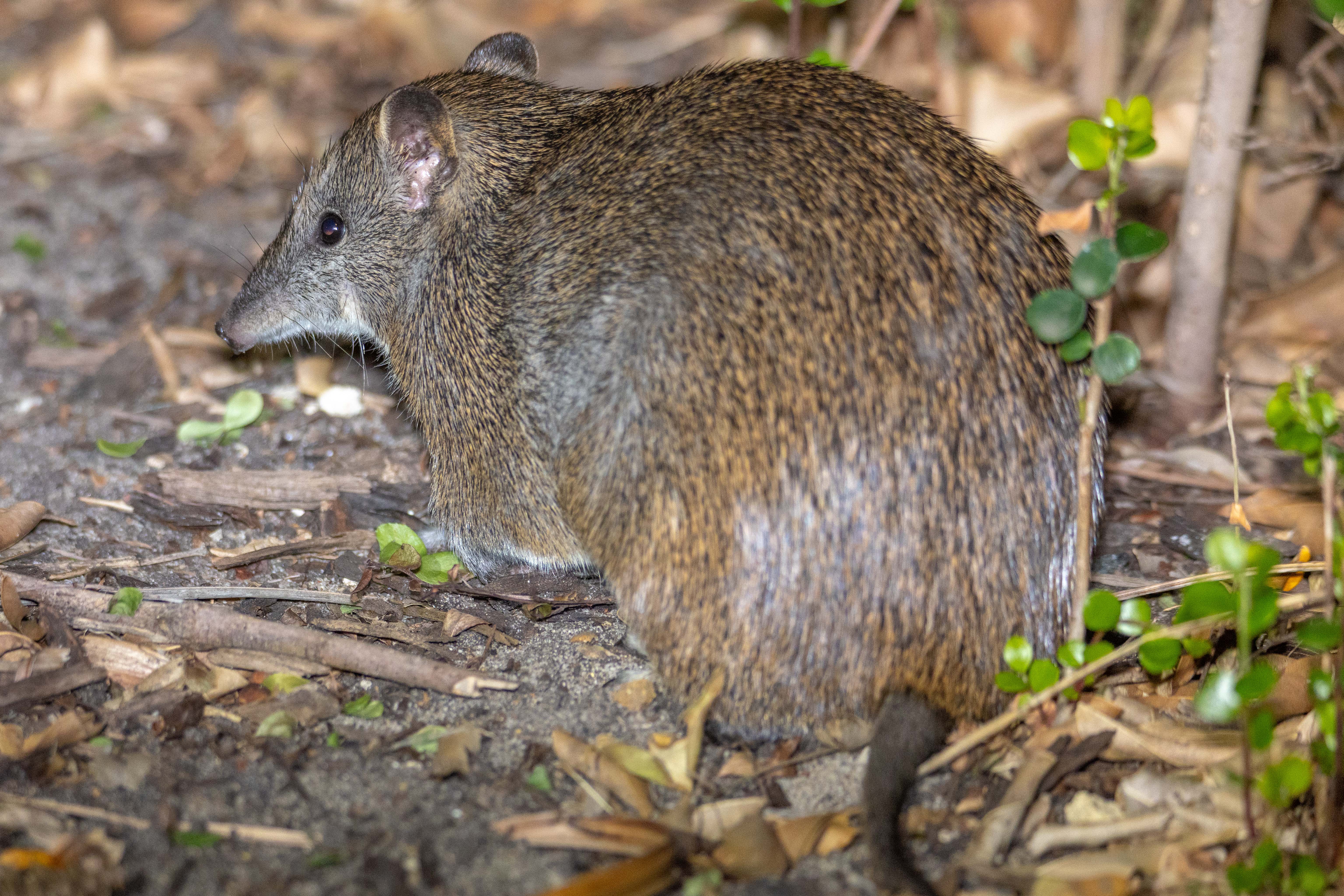
We then headed to catch the bus back and on the side of the road found this weird spider which has since been identified as one of the mouse spiders (Missulena granulosa).

On another day I took a walk to check out some of the salt lakes for birds and found my first ever Banded Stilts (Cladorhynchus leucocephalus).


I saw a few other birds – I was really pleased with the swallow picture flying into the wind on the golf course but not actually making any headway as the wind was so strong! There used to be a population of breeding Indian Peafowl on the island – but they are managed now to just 5. Common Pheasant (introduced) can also be found on the island but I didn’t see any.


I finished off with a collection of Quokka shots. The below is one drinking open fresh water which is quite difficult to find on the island – this one was taking advantage of a large puddle after some wet weather!


In the below right is one sleeping on its tail and getting some winter sun!


We had a great holiday – even though a few days were wet. The kids loved the island and Sienna is still talking about Quokkas! Their Granny bought them each a fluffy toy one on the island which is in bed with them each night.
Rottnest Island Wildlife FAQ
How do I get to Rottnest Island?
Ferries run daily from Fremantle (about 30 minutes), Hillarys Boat Harbour (about 45 minutes) and Barrack Street Jetty in the Perth CBD (about 90 minutes). Multiple operators run services and day trips are available, though staying overnight gives a much richer experience – there are accommodation options from camping through to heritage cottages.
Is winter a good time to visit Rottnest Island for wildlife?
Yes – winter is excellent for wildlife on Rottnest. The island is quieter, the Quokkas are just as active, and the New Zealand Fur Seals are reliably present at Cathedral Rocks year-round. Winter is also the best time to look for migratory shorebirds at the salt lakes. The weather can be cold and windy on the exposed western end, so bring layers. We visited in July and had a wonderful week despite a few wet days.
Are Quokkas dangerous?
No – Quokkas are gentle and completely habituated to people around the main settlement. They will approach you rather than run away. The main thing to be aware of is that feeding them is illegal and can cause real health problems for the animals. Let them forage naturally and let them approach you for the best encounter – and the best selfie.
What wildlife can you see on Rottnest Island?
Quokkas are the star attraction, but Rottnest has much more to offer. New Zealand Fur Seals haul out at Cathedral Rocks on the western end. Ospreys nest on offshore rocks. The salt lakes attract shorebirds including Banded Stilts. Australian Shelduck, Grey Teal and Pied Oystercatchers are common. The marine environment is excellent for snorkelling with tropical fish. A small managed population of Indian Peafowl can be found around the settlement.
Do Quokkas only live on Rottnest Island?
No – small populations survive on the WA mainland from the Perth Hills south to east of Albany. They are much harder to find on the mainland as they are cryptic and mostly nocturnal away from the island. I’ve had success finding mainland Quokka at Two Peoples Bay near Albany, which is one of the most reliable mainland locations. See the Quokka hub page for the full guide to locations.

Like this photo? Quokka prints are available
Quokka and wildlife prints from Rottnest and across WA are available to order — paper, canvas, metal, acrylic or framed, shipped anywhere in the world. Prints from US $2.
Further Reading
- Quokka — full species guide and where to find them in WA
- Rottnest in Winter — a second visit with more Quokka encounters
- Mainland Quokka at Two Peoples Bay — finding the elusive mainland population
- Where to See Wildlife in Western Australia — full location index
You can also follow along on Facebook and Instagram for more regular updates between posts.


Leave a Reply