

It’s on my wildlife bucket list to see a wild Numbat. I get out wildlife watching fairly often in the Perth region but Numbats live that little bit further away, they are diurnal (out during the day) when I am normally working or with the family, and they are listed as Endangered. The IUCN revised their population estimate in 2026 to 2,000-3,000 mature individuals — a hopeful sign of recovery thanks to intensive fox control and fenced reserves — but they remain one of Australia’s most threatened mammals. There are only 2 natural populations left — Dryandra and Perup — with Boyagin a site where they have been reintroduced. They used to cover most of the southern region of Australia before the introduction and spread of foxes.
My wildlife buddy Jimmy and I planned a Saturday night away at Boyagin Nature Reserve — out in the wheatbelt not too far from Brookton, about an hour and 45 minutes from Perth.
I had seen quite a lot of Facebook activity with people spotting Numbats on The Dryandra (Incl Boyagin/Tutanning) – A South West Australian Safari group — so I was really keen to get down and see my first one. Jimmy had warned me it can be a slog sometimes but that just makes it all the more rewarding when you see one. I studied these tips from Sean van Numbat (van Alphen)!
I met Jimmy at Boyagin as he had already been at Tutanning Nature Reserve looking for Thorny Devils — an amazing lizard that can be pretty hard to find. On my way off Brookton Hwy I saw a beautiful Wedge-tailed Eagle being harassed by a mob of Ravens.

We dropped a car off and started the Numbat hunt — driving slowly and scanning the woodland in likely habitat. One of their prime habitats is Wandoo woodland with its hollow fallen logs for cover and plenty of wood on the ground for their food — the termite.

The countryside was spectacular with lots of wildflowers — especially the orangey Gastrolobium shrubs.


We found some probable evidence of Numbats in terms of a burrow and diggings, but none of the elusive critters. They dig following the underground termite galleries. We did see 3 awesome Echidnas and I was able to get very close to two of them.


We searched for about 3 hours and then headed to Pingelly for a pub meal. We then came back after dark for some spotlighting — hoping to see some nocturnal marsupials and perhaps a Western Spotted Frog. Jimmy had seen Tammar Wallaby and the frogs at Tutanning the night before so we were hopeful. We spent 3-4 hours spotlighting but the only marsupials were Common Brushtail Possums and Western Grey Kangaroos. We did find some Western Spotted Frogs — this is a burrowing frog and it was a dry night, not sure why they were around? I also heard a White-striped Freetail Bat flying above us and caught a glimpse of a bat fluttering in the headtorch beam.


The possums posed for shots but the roos were pretty skittish.


We also saw this awesome Tawny Frogmouth.

The next morning we headed out Numbat spotting again — we put in another 3 hours or so but no luck. Not even Echidna today, but we saw a few lovely birds and heard many calling.


It was a great time out but I will have to put more time in before I get my first Numbat. I need to start making plans to be back during the day!
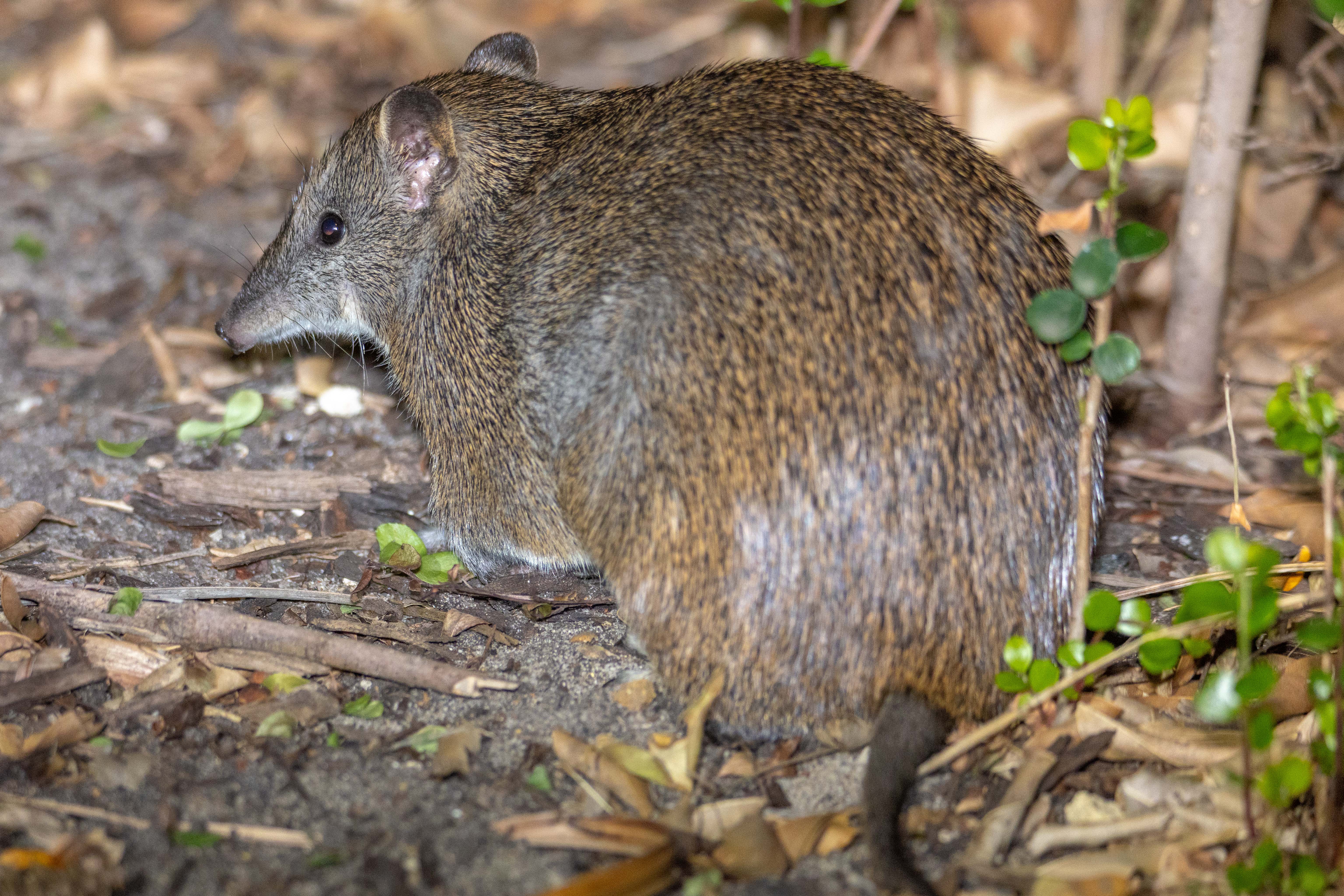
I headed for home and saw this little guy on the road and helped him to safety.

Boyagin Nature Reserve FAQ
Can you see Numbats at Boyagin Nature Reserve?
Yes — Boyagin is one of the few places in the world where Numbats (Myrmecobius fasciatus) can be seen in the wild. They were reintroduced to the reserve as part of ongoing conservation efforts, and the fox control program there allows them to survive. They are diurnal — active during the day — so a daytime visit is essential. Morning is generally the most productive time. For a full guide to finding Numbats across all WA locations see the Numbat — Where to Find Them in WA page.
What other wildlife can you see at Boyagin?
Boyagin has a good diversity of wildlife beyond Numbats. Short-beaked Echidnas are reliably seen. Chuditch (Western Quoll) are present — camera traps have confirmed them in the reserve though they are rarely seen spotlighting. Common Brushtail Possums and Western Grey Kangaroos are abundant. Frogs including Western Spotted Frog can be found after dark. Bats are active overhead at night, and birds including Tawny Frogmouth, Wedge-tailed Eagle and various bush species are regularly encountered.
How far is Boyagin Nature Reserve from Perth?
About 1 hour 45 minutes from Perth, near Brookton in the Wheatbelt. Head south-east on the Brookton Highway. The reserve has basic camping facilities making an overnight stay very worthwhile — you can search for Numbats by day and spotlight for nocturnal species after dark.
When is the best time to look for Numbats at Boyagin?
Mid-morning on a cool, sunny day is ideal. Numbats are most active when termites are active — they need warmth to forage but not excessive heat. Autumn and winter mornings (March-August) tend to be very productive. Drive or walk slowly through Wandoo woodland and scan fallen logs and the ground carefully. They can be easy to miss as they move quickly and their striped pattern provides good camouflage.
Is there camping at Boyagin Nature Reserve?
No — its a Class A reserve with only daytime picnic facilities. Check the DBCA Explore Parks website for other sites nearby.
Further Reading
- Numbat — Where to Find Them in Western Australia — full location guide including Boyagin, Dryandra and Perup
- Numbat Survey at Boyagin with Project Numbat — a later visit with a proper survey team
- Dryandra Spotlighting — Mammal Heaven — where I finally saw my first Numbat
- Dryandra with the Kids — Numbats, Mardo, Echidnas and a Near-Miss Woylie — numbat mum with joeys clinging on
- Dasyurids — hub page — all WA carnivorous marsupials
- Where to See Wildlife in Western Australia — full location index
You can also follow along on Facebook and Instagram for more regular updates between posts.


Leave a Reply